· 8 min read
What the Walls of Pompeii Remember
Founder of Cogletta
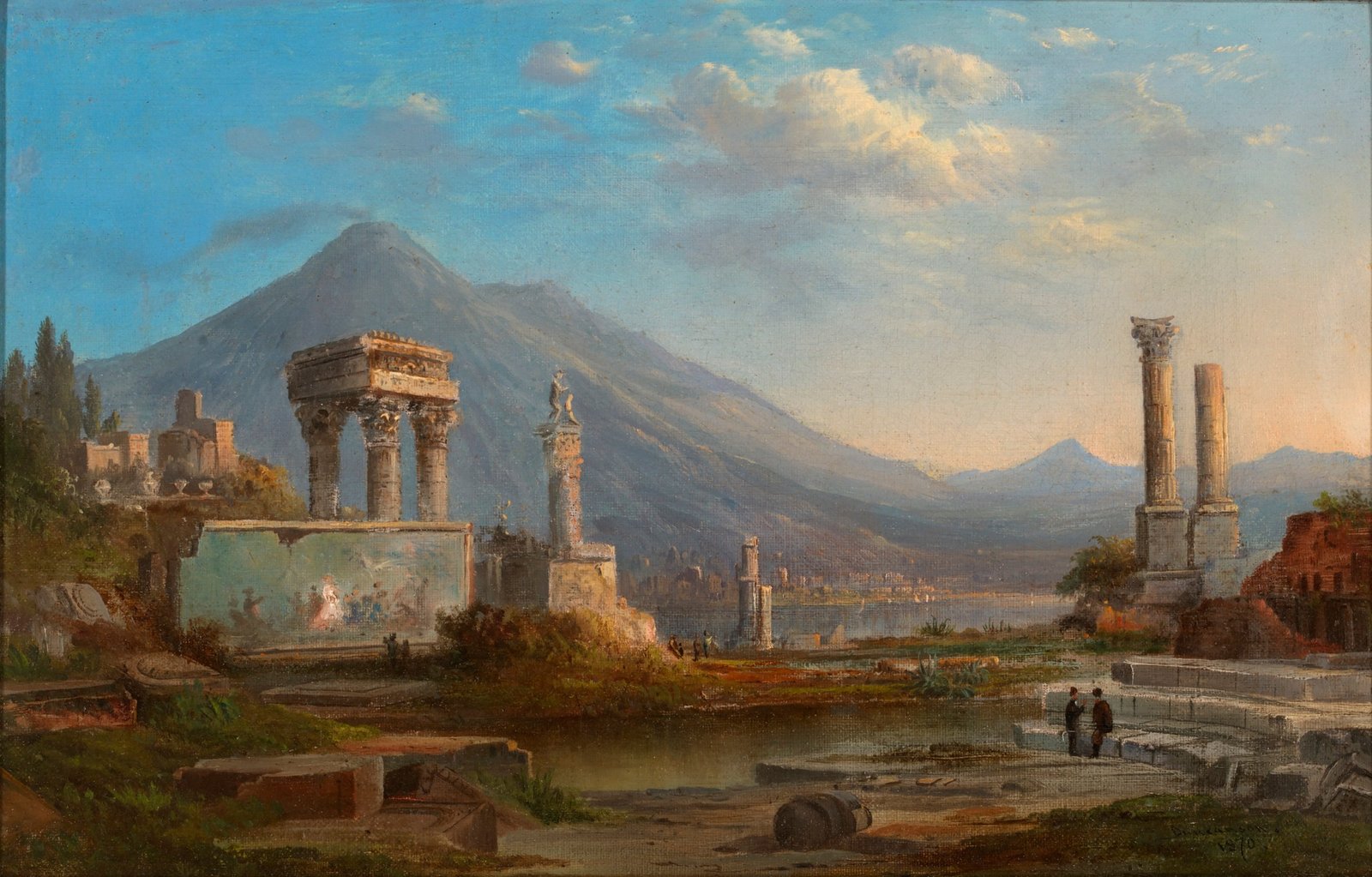
What comes to mind when we think of Pompeii? Perhaps the dark cloud rising above Mount Vesuvius, the people caught in the eruption, or the silence of a city buried beneath volcanic ash.
But before that day in AD 79, Pompeii was full of life.
People opened their shops in the morning, met friends, argued with neighbours, fell in love, and worried about money. They made plans for the following week, perhaps even the following year. None of them knew that their ordinary lives would one day become a subject of historical curiosity.
Nearly two thousand years separate us from the people of Pompeii. Their world was very different from ours, yet some of their everyday feelings seem remarkably familiar.
We know this partly because of what they left on their walls.
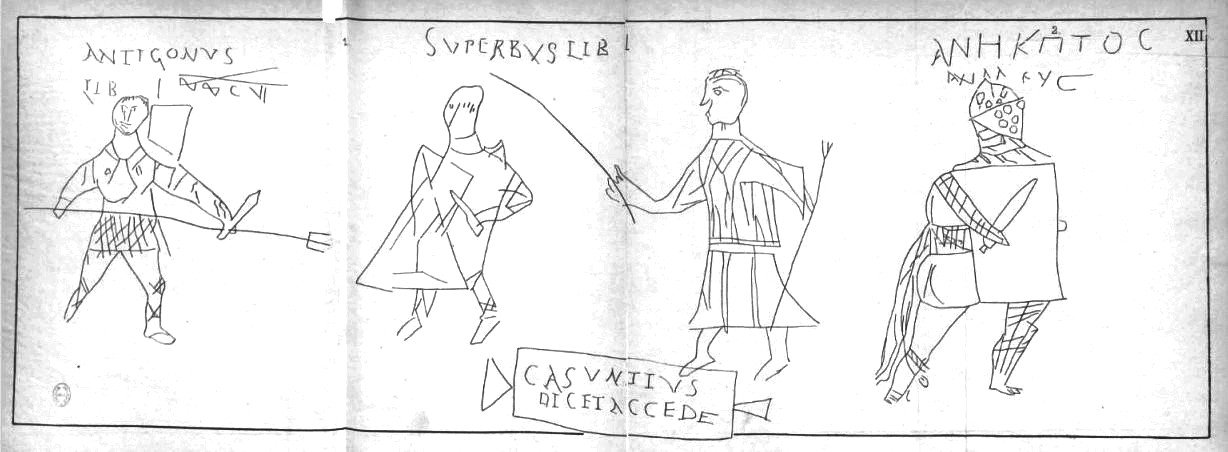
Across the city, people scratched messages into plaster, wrote poems, declared their love, traded insults, and complained about whatever was bothering them. Some left nothing more than a name. Others wanted to be admired, remembered, or perhaps simply noticed.
Love, Admiration, and Heartbreak
In a corridor near Pompeii's theatres, an inscription tells us of a woman named Methe and the man she loved.
It identifies Methe as an enslaved woman belonging to Cominia and says that she loved a man named Chrestus. She also appealed to Venus, the goddess of love, wishing that the two of them might always live in harmony.
It was a simple wish. We do not know how they met or what happened between them. We do not even know whether Chrestus returned her feelings.
Elsewhere in Pompeii, love appears in a more heated form.
On the wall of a tavern, two men named Successus and Severus exchanged messages about a woman named Iris. Successus, a weaver, was in love with Iris, an enslaved woman connected with the tavern. According to Severus, she did not love him back.
Successus apparently had no intention of accepting his rival's claim. He accused Severus of jealousy and insisted that he himself was the more attractive man. Severus answered that he had already said what needed to be said: Iris did not return Successus's love.
There is something amusing about two men continuing an argument over a woman by writing on a wall. It is not hard to imagine them returning to check whether the other had replied.
Iris, meanwhile, left no recorded response of her own.
Love was not the only feeling people displayed in public. Admiration had its place too.
A gladiator named Celadus was praised in an inscription as suspirium puellarum—roughly, “the girls' heartthrob.” His name appeared alongside details of his gladiatorial career.
We cannot tell whether the words came from admirers or were written to build his reputation. Either way, someone thought his appeal was worth recording.
Loading the rest of the essay…