· 9 min read
The Seasons We Carry Within Us
Founder of Cogletta
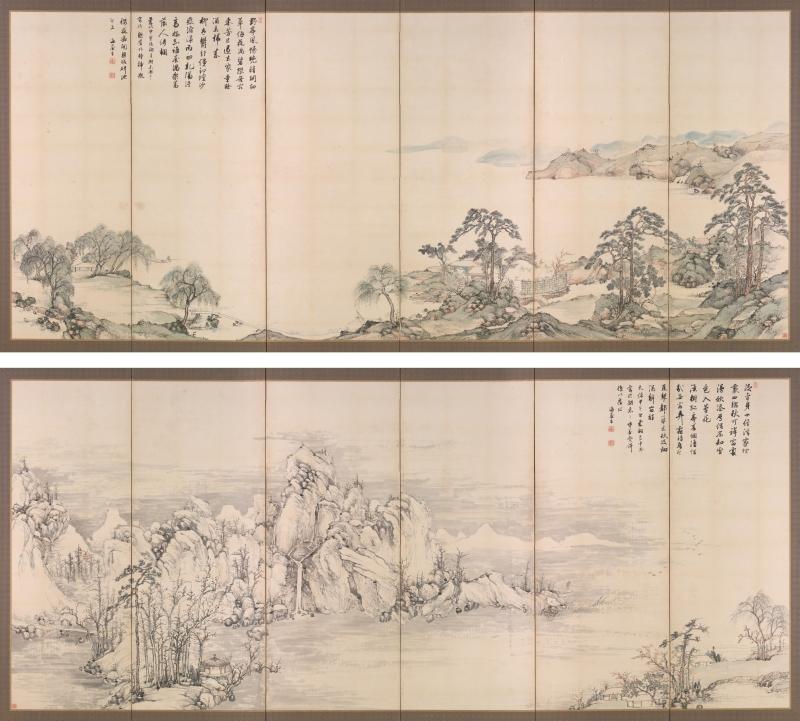
The Autumn Outside My Window
It is a beautiful, sunny Sunday morning in October. Looking out of my window, I can see that autumn has arrived. The trees that greeted me with their bright green leaves just a few weeks ago have begun to turn yellow, orange, and brown. Some have already lost much of their foliage. Others are still holding on to the last traces of summer.
It is a familiar sight, one that returns every year. Yet something about it makes me stop and look a little longer.
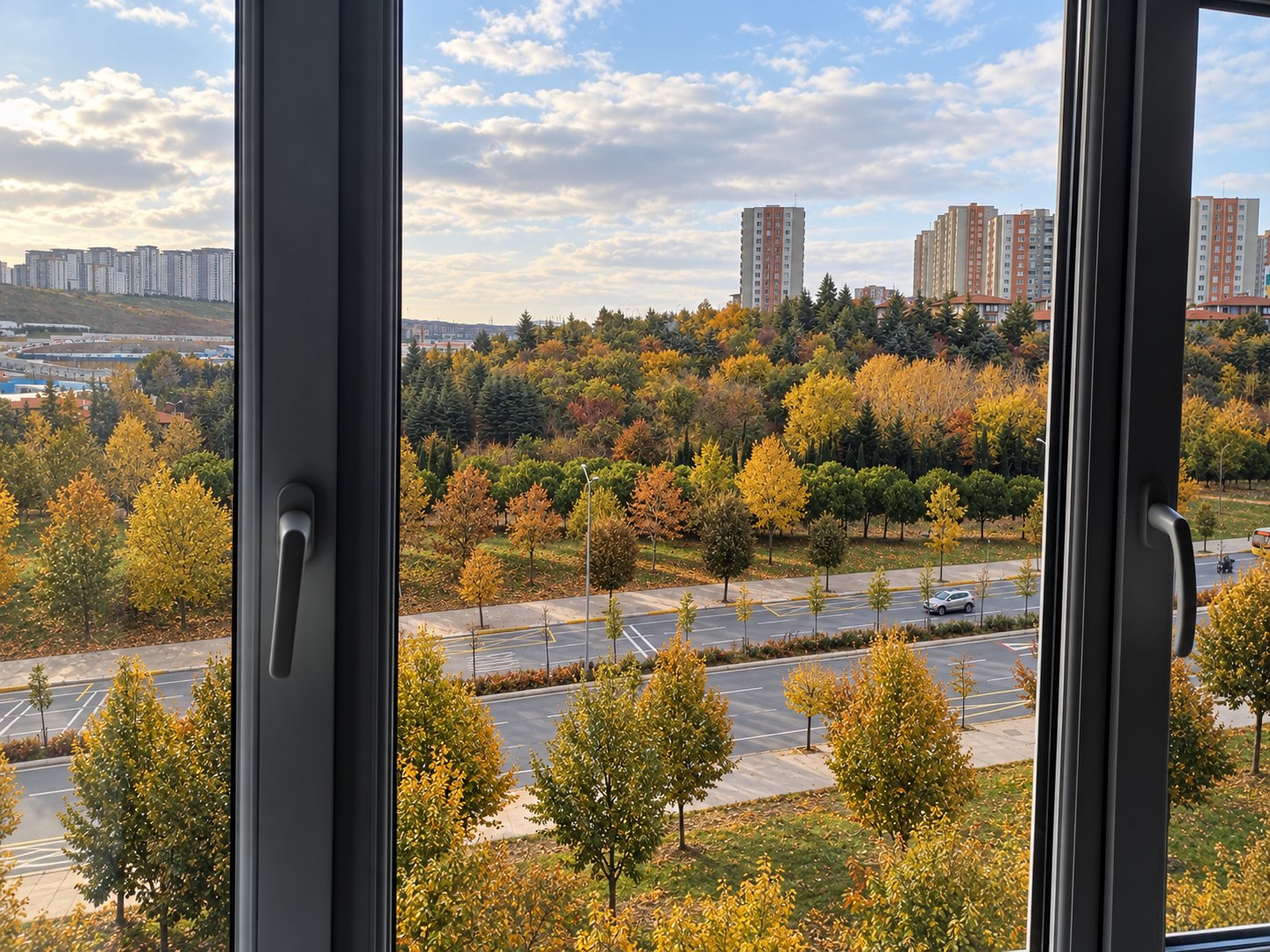
Strangely, the view brings me both peace and sadness. There is something calming about the quiet transformation of the trees, but also something melancholy about watching the leaves fall. Perhaps it is the reminder that even the most familiar things cannot remain unchanged.
Only a few weeks ago, the same trees looked full of life. Nothing extraordinary had happened to them. Autumn had simply arrived, as it always does.
We accept these changes in nature without much resistance. We know that autumn will follow summer, that winter will eventually come, and that spring will bring new life. The trees do not seem troubled by the seasons. They change with them.
Our own lives are different.
We experience beginnings and endings, moments of happiness and periods of sadness. We build relationships, settle into familiar places, develop routines, and gradually become accustomed to the lives we have created. Then something changes, sometimes by choice and sometimes without warning.
Unlike the trees outside my window, we rarely know when our next season will arrive.
And I wonder: Are the seasons of human life as clearly defined as those of nature?
When Our Own Autumn Arrives
Autumn does not always arrive with falling leaves. In our lives, it can come through sorrow, disappointment, unexpected difficulties, or changes that unsettle the life we know.
Sometimes it is the loss of someone we love, an unwanted separation, or a failure we did not expect. Other times, it is leaving a city we have called home for years or having to walk away from a career we once imagined would last a lifetime.
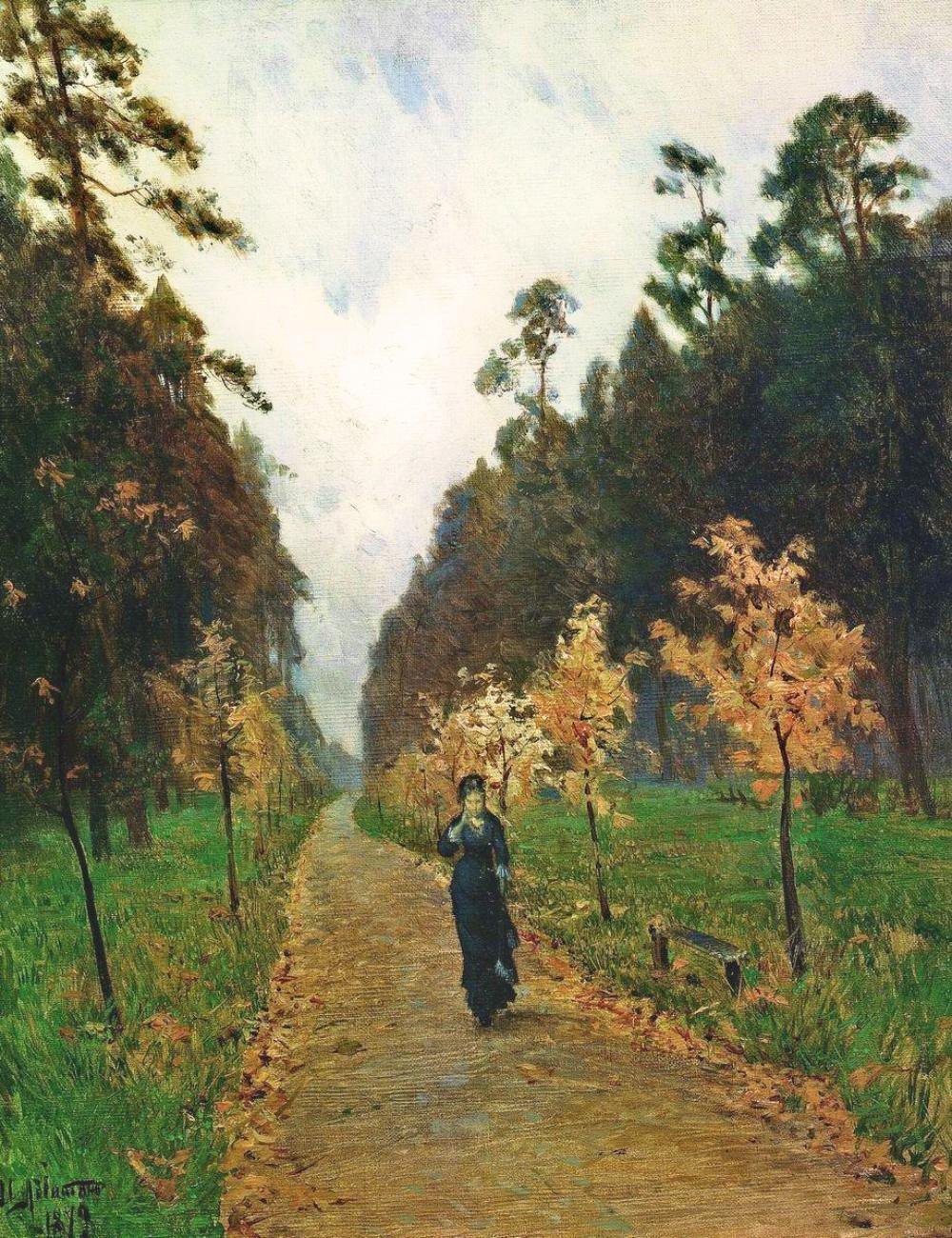
What these experiences share is the way they change something familiar about our lives, often leaving us uncertain about what comes next.
Leaving a city, for example, means more than changing an address. We leave behind familiar streets, friendships, routines, and memories. Similarly, losing a job can affect more than our financial security. It may change our sense of purpose, our identity, and the future we had imagined for ourselves.
We often define ourselves through the lives we have built, the roles we occupy, and the things we have achieved. When these change or disappear, we may find ourselves questioning not only what we have lost, but also who we are without them.
The Winters We Live Through
I experienced something like this when I had to leave my military career.
Being a soldier had given me more than a profession. It had provided a certain identity, a status, goals, and a philosophy of life. There was a structure to my days and a direction I had grown accustomed to following.
When that chapter ended, much of what had defined my life seemed to disappear with it.
There was an opportunity to build a different life, certainly. But an opportunity is not the same as a clear path forward. The future remained uncertain, and creating a new beginning required effort without any guarantee of where that effort would lead.
Looking back, I think of that period as a kind of winter.
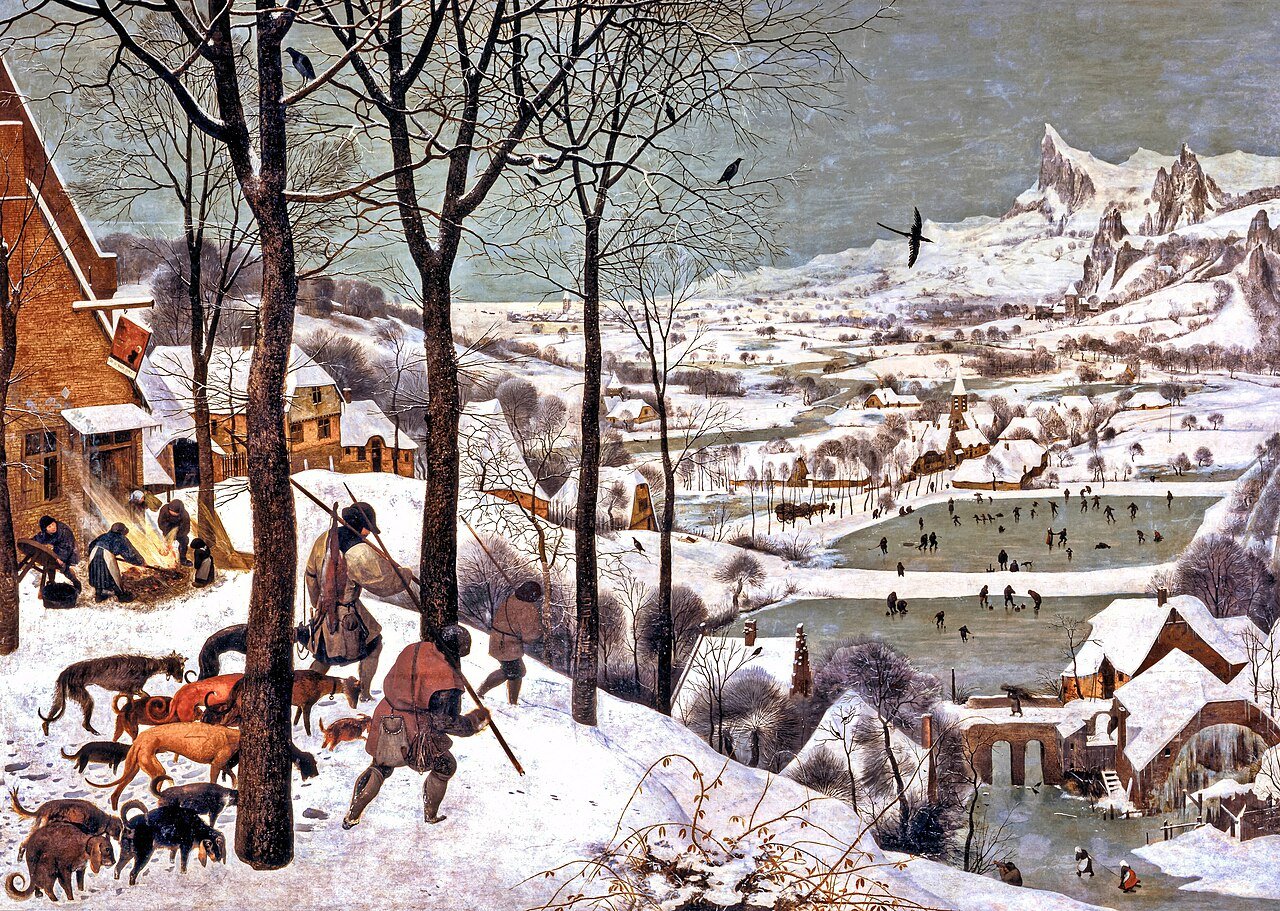
Winter has its own silence. Trees stand bare, the days grow shorter, and much of the activity we associate with the warmer months disappears from view. Yet beneath the apparent stillness, life continues.
There are periods in human life that feel much the same.
Losing a job, going through a separation, or leaving behind a familiar environment can bring a sense of cold uncertainty. We may not know where we belong anymore, what direction to take, or whether the plans we are making will succeed.
The most difficult part is sometimes not the loss itself, but the uncertainty that follows it.
We are accustomed to imagining our lives moving forward. We make plans, set goals, and expect tomorrow to bear some resemblance to today. When that expectation is broken, even ordinary decisions can become difficult.
Of course, people respond to loss differently. Some are able to continue their daily lives while carrying considerable sadness. Others need time before they can begin to imagine a different future. There is no fixed length for such a winter, and no single way to experience it.
Nor should every painful experience be treated as a necessary step toward personal growth. Some losses remain painful. Some changes leave wounds that time does not entirely heal.
Still, life may continue even before the sadness has disappeared.
Sometimes we take small steps without knowing where they will lead. We look for new possibilities, learn unfamiliar skills, adjust our expectations, or simply try to establish a new routine.
We may not recognize these efforts as the beginning of anything significant.
But perhaps the first signs of spring are already there.
Loading the rest of the essay…